

Bali Destination Wedding Guide: Getting Married Abroad in Bali
Planning a destination wedding abroad is exciting, and for many couples from Australia, Asia, Europe and beyond, Bali is at the top of the list. I have photographed weddings on this island since 2008, and in this guide I share what I have learned about planning a Bali destination wedding: why couples choose Bali, what the weather is really like, the best months to get married, and the venues I know and love.
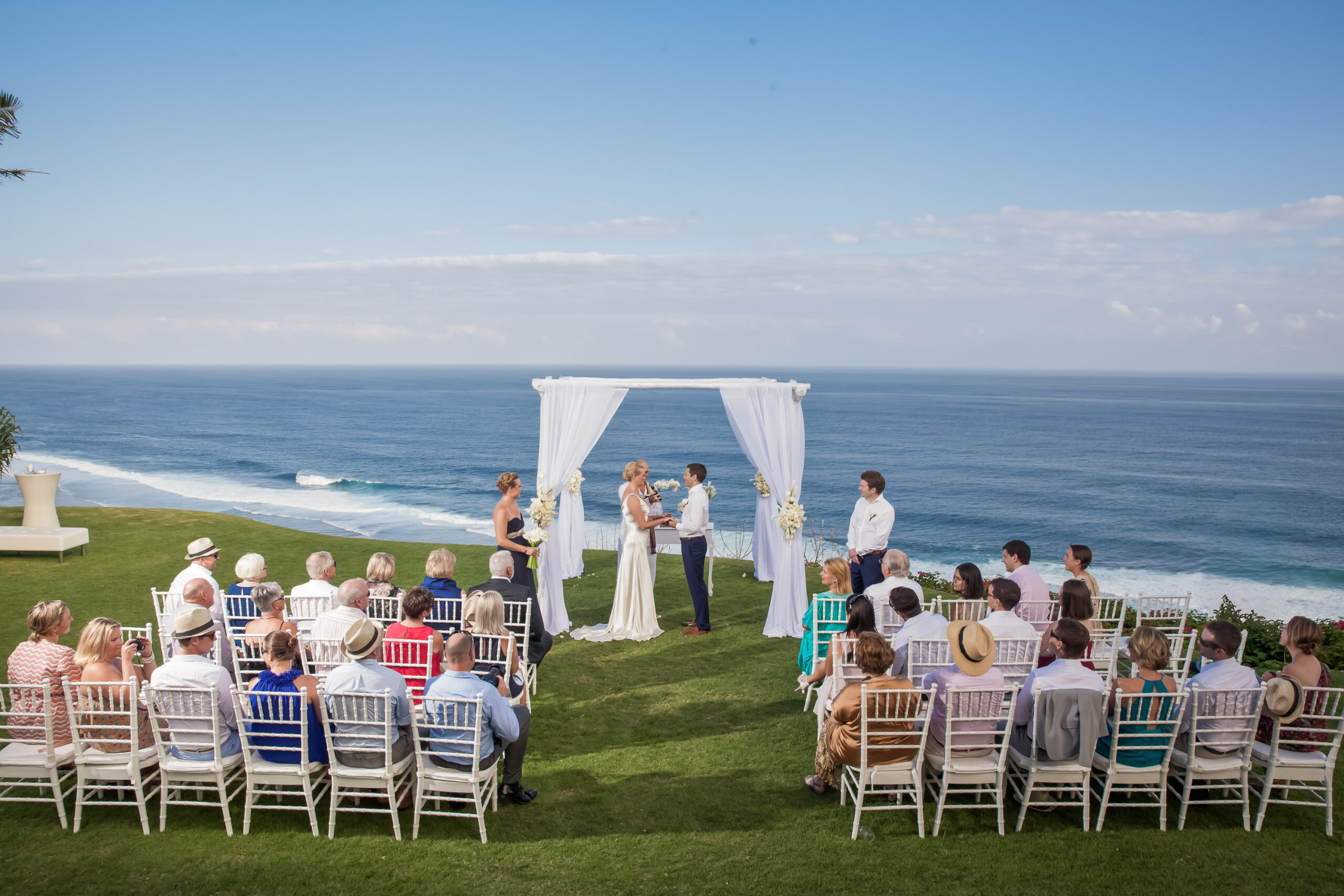
Whether you are dreaming of a clifftop ceremony above the Indian Ocean, a barefoot beach wedding or an intimate celebration surrounded by Ubud’s jungle, Bali has a setting for every couple.
Why Choose Bali for Your Destination Wedding?
Bali combines dramatic scenery with a warm, welcoming culture. On one small island you can find white sand beaches, limestone cliffs, rice terraces, rivers and tropical jungle, so your wedding can look completely different depending on where you choose to celebrate.
The island is also very well prepared for weddings. There are experienced planners, florists, musicians and caterers, and many resorts have dedicated wedding chapels and event lawns, which makes planning from overseas much easier than in many other destinations.
Getting here is simple too. Bali’s Ngurah Rai International Airport has direct flights from Australia, Singapore, Kuala Lumpur, Hong Kong and other major cities in Asia, and many guests turn the wedding into a holiday. Compared with a similar celebration in Europe or Australia, a Bali wedding often offers excellent value for a five-star experience.
Bali Weather: Dry Season and Wet Season
Bali has a tropical climate with warm temperatures all year. During the day, when most weddings take place, it is usually around 28 to 36°C on the coast. Instead of four seasons, the island has two: the dry season and the wet season.
The dry season runs from about April to October. Days are sunny, humidity is lower and evenings feel pleasantly cool, which makes this the most popular time for outdoor ceremonies and receptions.
The wet season runs from about November to March. Rain usually arrives as heavy tropical showers, often in the afternoon or evening, and many mornings are still bright and clear. The landscape is at its greenest, and venues are often easier to book. Humidity is also much higher from November to April, so even a 32°C day can feel closer to 40°C, especially in the afternoon. Shade, fans and plenty of cold water for your guests make a big difference.
The weather also changes with location. Ubud and the central highlands are cooler and receive more rain than the coast, while the Bukit Peninsula around Uluwatu is usually drier and breezier.
The Best Months for a Wedding in Bali
From my experience, the most reliable months for a Bali wedding are May to September, when rain is least likely and the light is beautiful for photos.
Within that window, May and September are always the busiest months for weddings in Bali. The weather is still lovely, yet both months sit outside the main school holidays, so you avoid the high season surcharges that many hotels add in July and August and over Christmas and New Year. Because so many couples have the same idea, the most popular venues, planners and photographers fill up fast. If your heart is set on May or September, start planning early and confirm your key suppliers 12 months or more ahead.
April and October are lovely shoulder months. The weather is usually still good, and some venues offer better rates outside the peak season. A wet season wedding can also work very well, as long as your venue has a covered area and a good rain plan.
December, January and February are the wettest months of the year. It does not rain all day, but the chance of rain is usually 60% or more, so it is wise to set aside some extra budget. Many wedding planners recommend a tent for the reception as a backup, especially if both the ceremony and dinner are outdoors, and a tent is not cheap to rent or build.
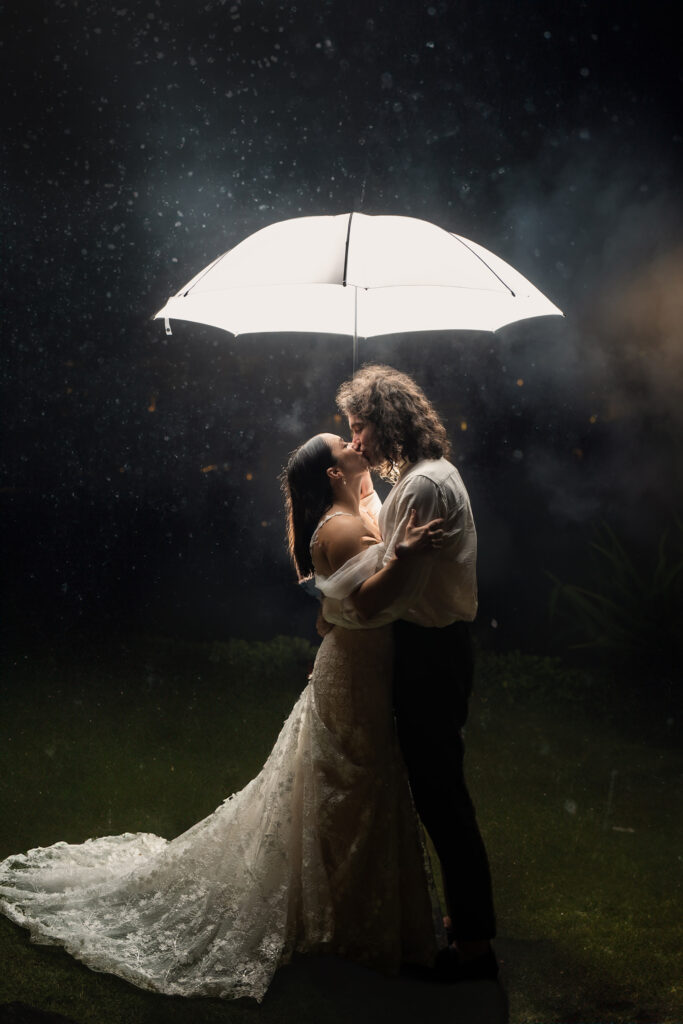
That said, as a wedding photographer I can create beautiful images in any weather, and honestly, I love rain shots. Some of my favourite photos come from rainy wedding days, like this rainy wedding at Komune Resort.
One period to avoid is Nyepi, the Balinese Day of Silence, which usually falls in March. On Nyepi the whole island stops for 24 hours, including the airport, so no weddings or travel can take place. I also recommend avoiding the day before and the day after: the evening before is filled with ogoh-ogoh parades and road closures, and the day after is busy as flights and travel restart.
For the ceremony itself, I usually recommend starting around 4:00 to 4:30 pm. The heat has softened, guests are comfortable, and you finish with golden sunset light for your portraits, especially on the west coast.
Bali Wedding Venues by Area
Choosing the area is the first big decision, because each part of Bali has a very different feel. Here are the main wedding areas and some of the venues where I have photographed real weddings.
Uluwatu and the Bukit: Clifftop Ocean Views
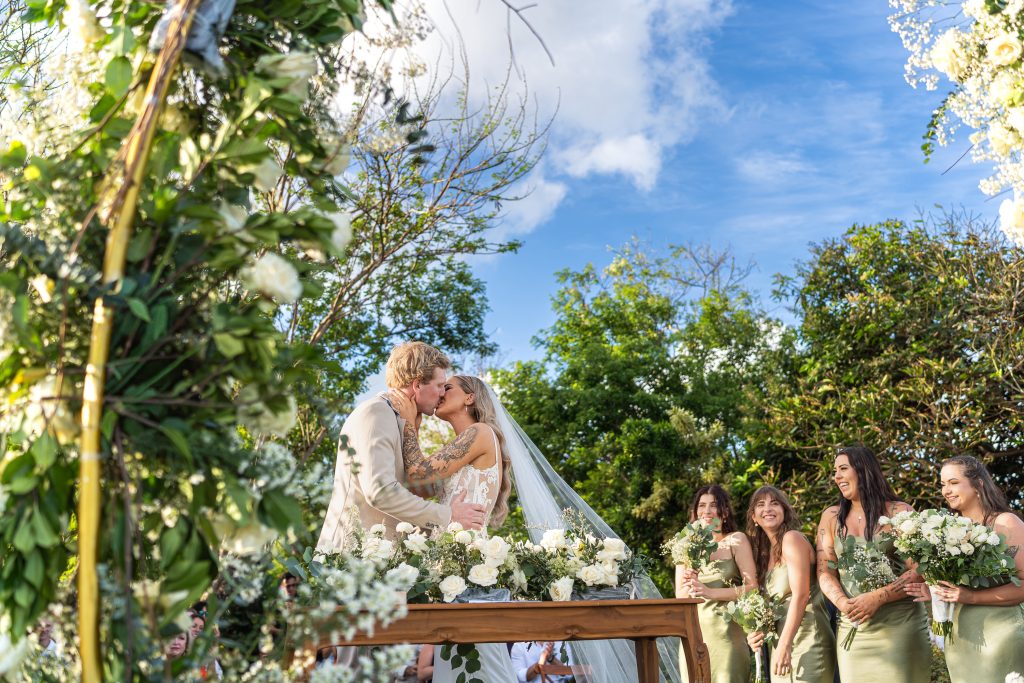
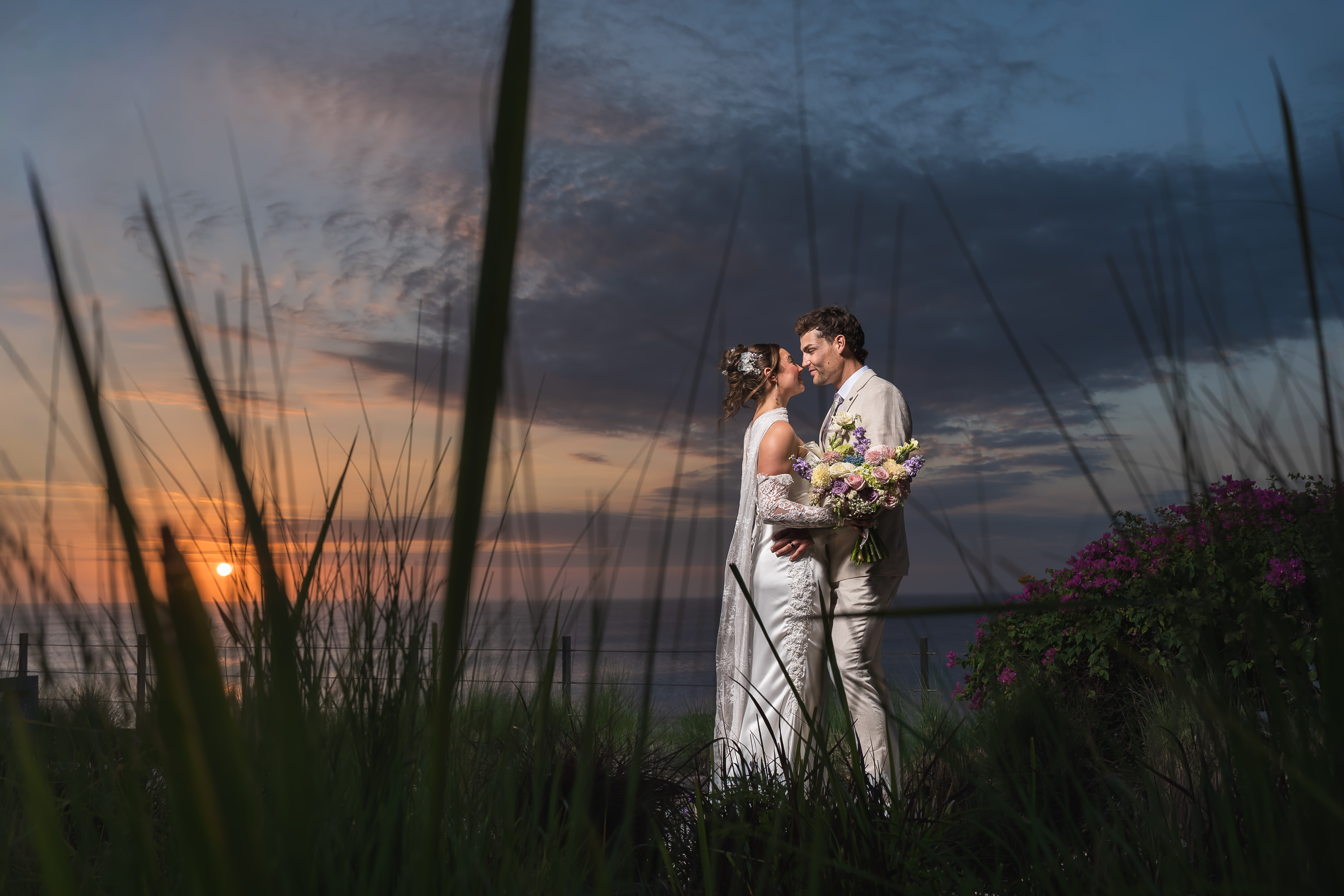
The Bukit Peninsula in the south is famous for dramatic limestone cliffs, turquoise water and some of the most beautiful sunsets in Bali. Clifftop villas and resorts here are perfect for couples who want a breathtaking ocean backdrop. Real weddings I have photographed here include Wonderland Uluwatu, and Tamarama Villa and Villa Ambar at The Ungasan Clifftop Resort.
Jimbaran, Nusa Dua and Tanjung Benoa: Beachfront Resorts and Chapels
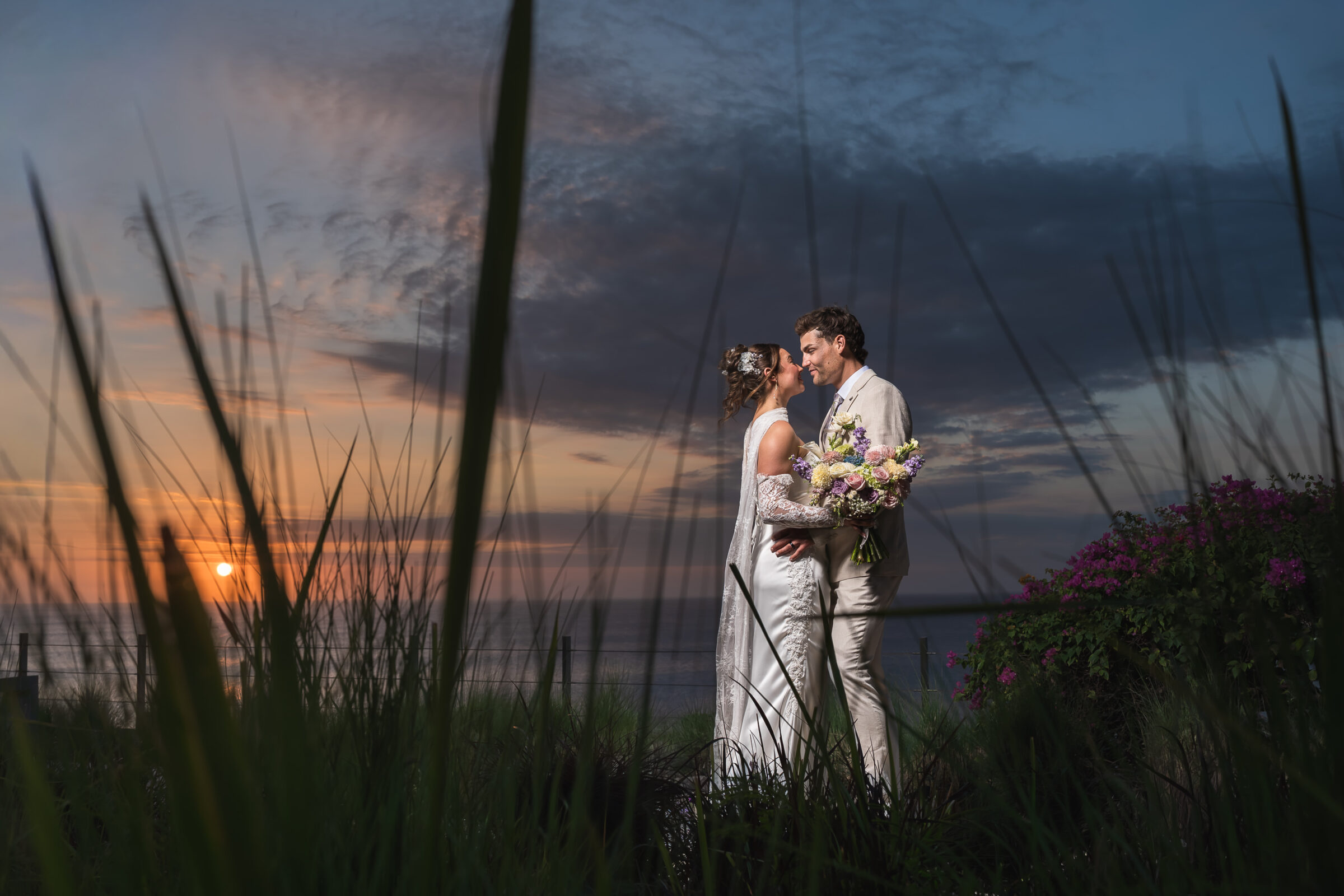
Jimbaran Bay is known for its calm beach and golden sunsets, while Nusa Dua and Tanjung Benoa on the east side of the Bukit offer luxury resorts, white sand and calm water. This area is a great choice for larger weddings, as guests can stay at the same resort. Keep in mind that the beaches in Nusa Dua face east, so they are better for morning light than for sunsets over the sea. Real weddings here include the Tresna Chapel at AYANA Resort Bali, Jimbaran Puri, a Belmond Hotel, the Infinity Chapel at Conrad Bali, Taman Bhagawan and a beachfront Indian wedding in Nusa Dua.
Seminyak, Legian and Canggu: Beachside Venues and Private Villas
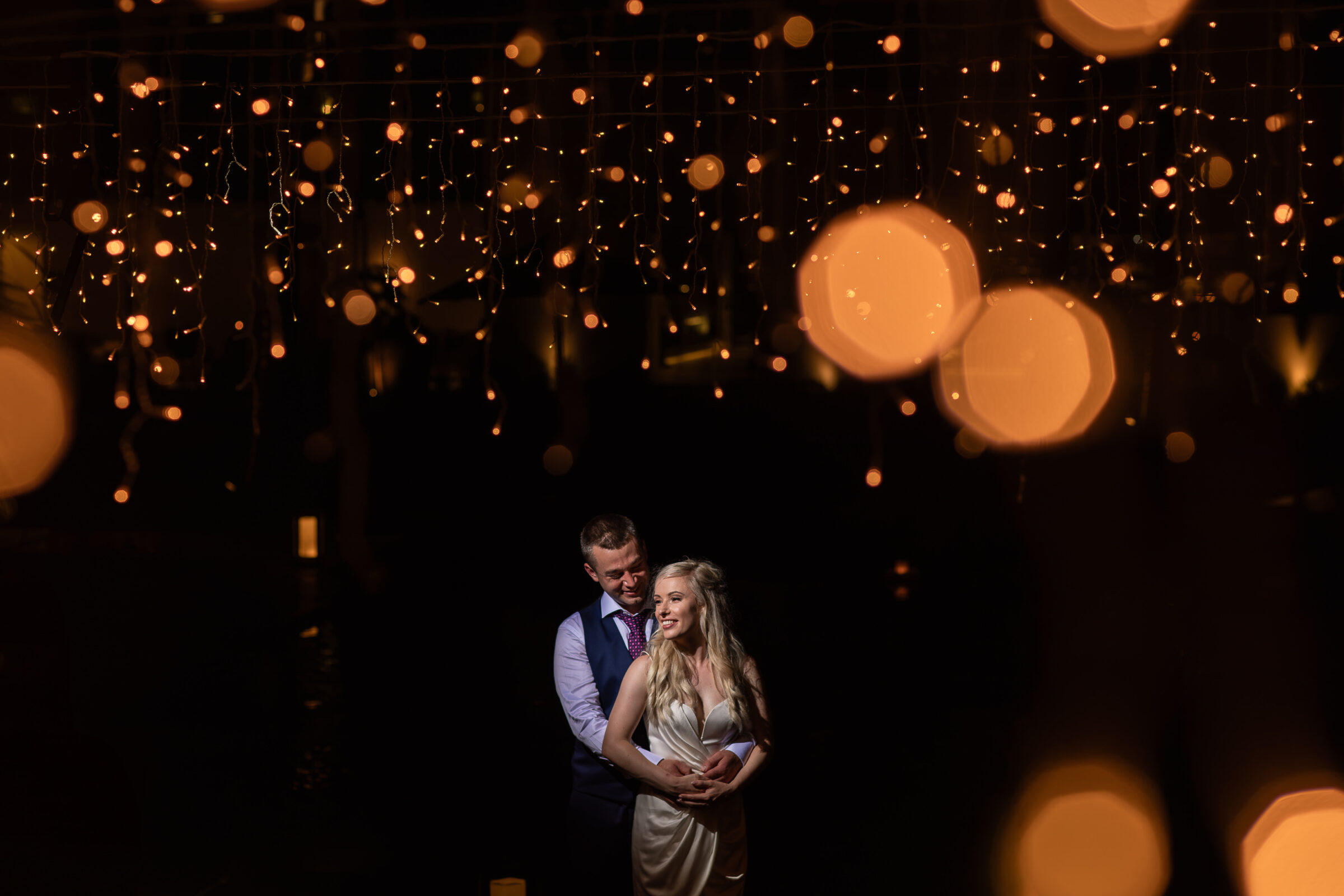
The west coast around Seminyak, Legian and Canggu is lively and stylish, close to great restaurants, beach clubs and boutique hotels. It suits couples who want a relaxed beach atmosphere and an easy evening party with friends. Real weddings here include Alila Seminyak, Peppers Seminyak, Padma Resort Legian, Echo Beach in Canggu and Taman Ahimsa in Cemagi.
Ubud: Jungle, Rice Fields and Rivers
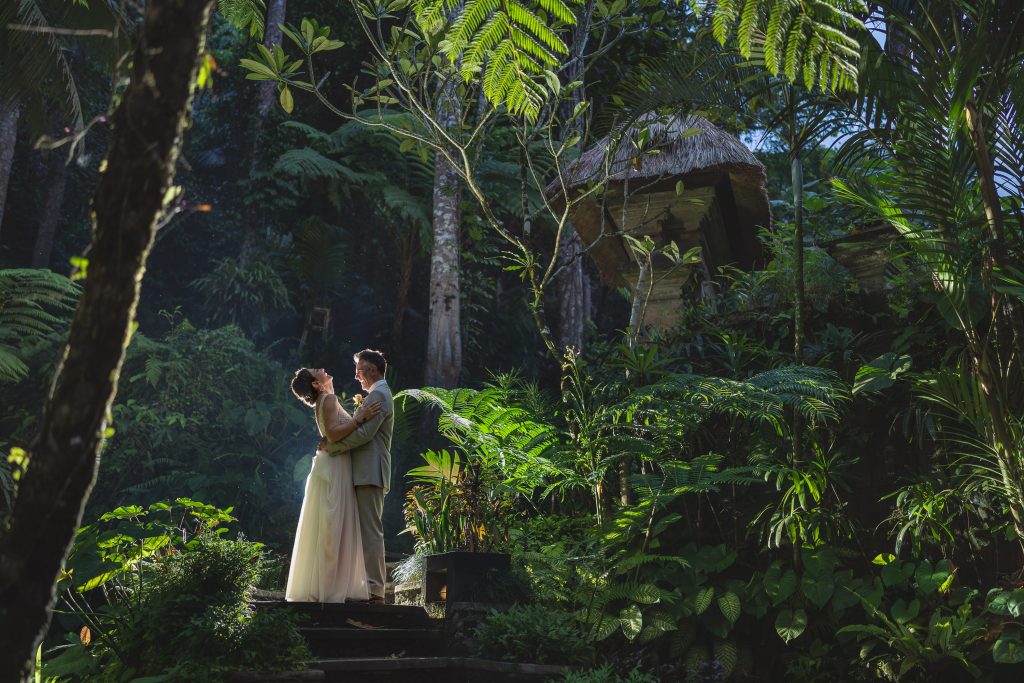
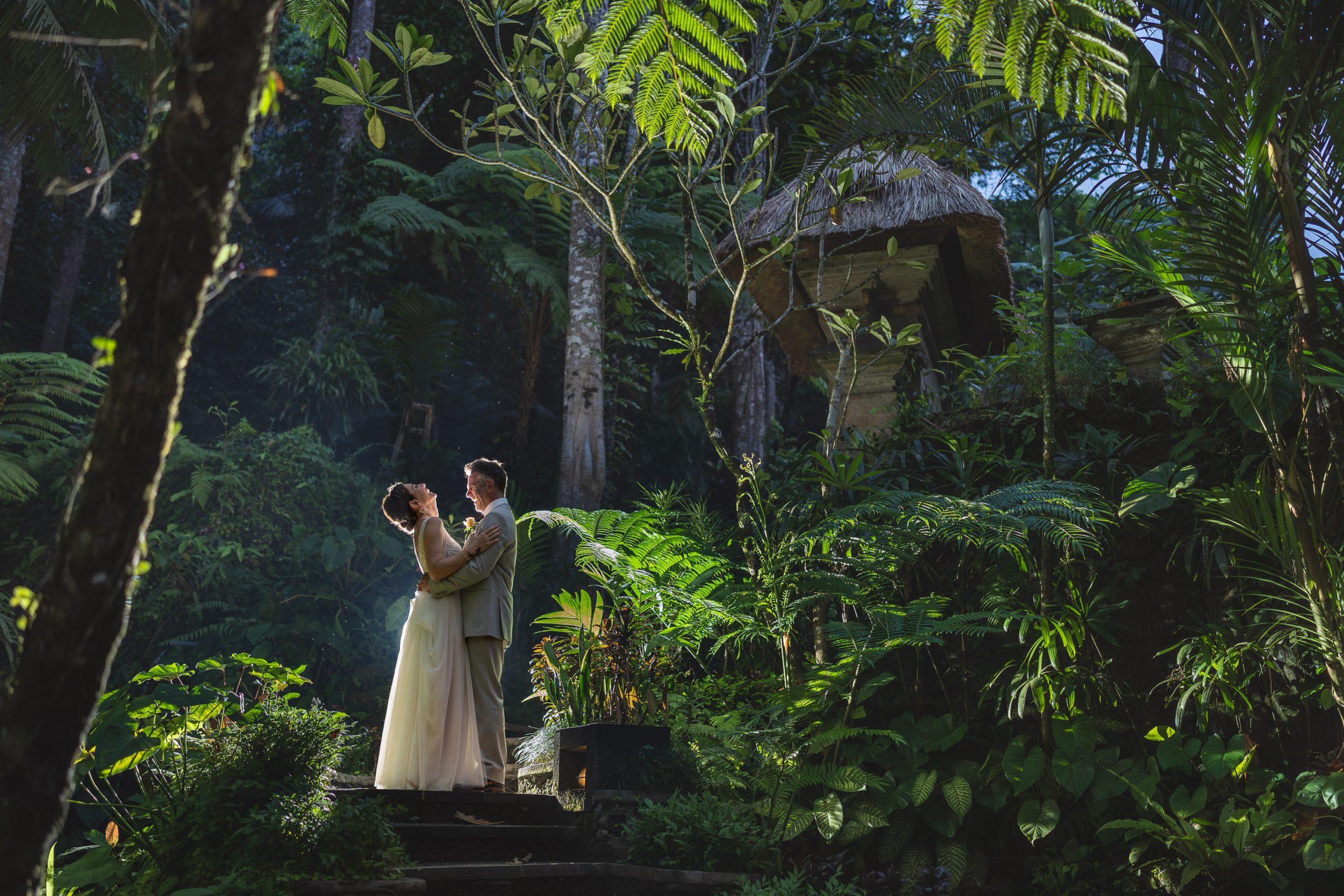
Ubud, the cultural heart of Bali, offers something completely different from the beaches: lush jungle, river valleys, rice terraces and a peaceful, spiritual atmosphere. It is ideal for intimate weddings with a natural, green backdrop. Real weddings here include The Royal Pita Maha with its waterfall ceremony, Kamandalu Ubud and Villa Beji Indah.
Keramas and the East Coast: Black Sand and Sunrise Views
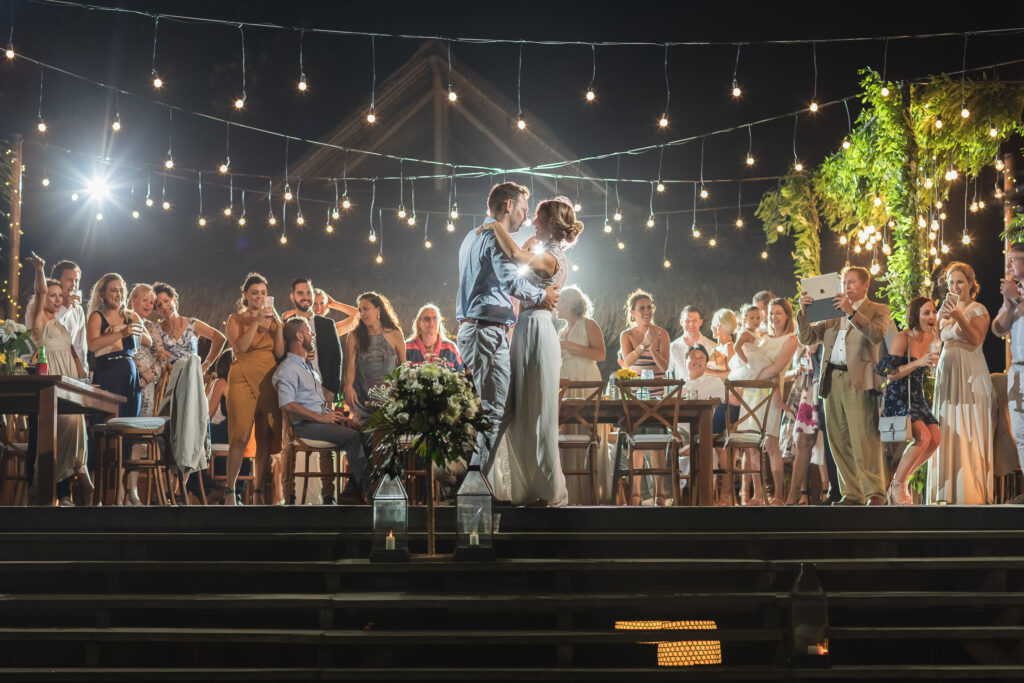
For something less crowded, the east coast offers black sand beaches, rolling surf and sunrise views. At Komune Resort and Beach Club in Keramas, I have photographed sunny weddings as well as a rainy wedding, and the resort’s covered spaces make it a good choice in any season.
How to Choose the Right Bali Wedding Venue
When comparing venues, I suggest thinking about these questions:
- Guest numbers: private villas are ideal for intimate weddings, while resorts are easier for larger groups who want to stay together.
- Sunset or sunrise: the west coast and the Bukit face the sunset, while Nusa Dua and the east coast face the sunrise.
- Rain plan: make sure there is a covered area for the ceremony and dinner, especially between November and March.
- Travel time: Bali traffic can be slow, so keep the ceremony, reception and guest accommodation close together.
- Noise and timing rules: some villas and resorts have curfews for music, so check the end time for your party.
Legal Wedding or Symbolic Ceremony?
Most international couples choose a symbolic ceremony in Bali and complete the legal marriage at home, either before or after the trip. A legal wedding in Indonesia requires both partners to share one of the officially recognised religions, as well as extra paperwork and more time on the island, so a symbolic ceremony is simpler and just as meaningful for you and your guests. Your wedding planner or embassy can confirm the latest requirements for your country.
Planning Tips for Your Bali Destination Wedding
- Book early: for July, August and the holiday season, secure your venue and photographer 12 to 18 months ahead.
- Work with a local planner: they know the venues, suppliers and permits, and make planning from overseas much easier.
- Help your guests: share flight, visa and accommodation information early. International visitors also pay a small tourist levy when arriving in Bali, which can be paid in advance on the official Love Bali website.
- Arrive a few days before: give yourself time to rest, check the venue and enjoy a pre-wedding photo session.
- Plan your timeline around the light: a late afternoon ceremony gives you soft light and sunset portraits.
Photographing Your Bali Destination Wedding
After nearly two decades of photographing weddings across Bali, I know how the light changes at each venue and how to plan your day so the photos feel natural and relaxed. Have a look at my Bali wedding photography portfolio and real weddings, compare our wedding photography packages, or simply get in touch. I would love to hear about your plans for your Bali destination wedding.